



Early childhood is the crucial time for a child’s general, mental, physical, and logical development. We give them the best possible access to a quality life through right nutrition, best education, extracurricular activities, and resources. Children have a right to a nurturing, safeguarding environment as well as wholesome food and essential medical care to keep them healthy, foster growth, and support development. let’s talk about Importance of health and nutrition in children
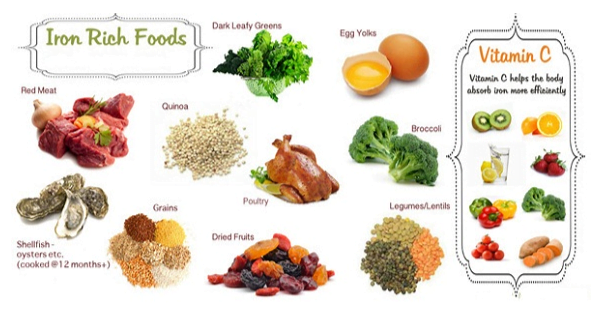
Getting enough calcium, iron, and vitamins A, C, and D through proper nutrition is guaranteed. If a teen participates in sports, follows a particular diet, has an eating issue, they may require even more nutrients.
“Adolescents need more nutrients than adults because they gain at least 40 percent of their adult weight and 15 percent of their adult height during this period. (Jacob and Nair 2012).1”
Inadequate nutrition during the first 1000 days of a child’s life can also result in stunted growth, which is linked to cognitive impairment and poorer performance in school and the workplace.
Importance of health and nutrition in children:
- it boosts a child’s ability to fight off infectious diseases,
- promotes healthy brain and other organ development, and
- enhances their level of activity and cognitive ability.
As per WHO, “In the first 2 years of a child’s life, optimal nutrition fosters healthy growth and improves cognitive development. It also reduces the risk of becoming overweight or obese and developing noncommunicable diseases later in life. Advice on a healthy diet for infants and children is similar to that for adults, but the following elements are unique to infants and children.”
Healthy eating during for a healthy childhood:
• Parents and other adults who are responsible for children should set a good example for healthy eating, drinking, and physical activity.
• Provide fruit, vegetables, low-fat dairy, lean proteins, water, and sugar-free refreshments as well as healthful snacks and beverages.
• Schedule family dinners.
• Encouraging your child to help with meal preparation, grocery shopping, and cooking.
How to promote a healthy diet?
According to WHO, “Diet evolves over time, being influenced by many factors and complex interactions. Income, food prices (which will affect the availability and affordability of healthy foods), individual preferences and beliefs, cultural traditions, as well as geographical, environmental, social and economic factors all interact in a complex manner to shape individual dietary patterns.”
The measures of healthy eating habits:
The ideal eating routine for a child’s growth and development takes into account the child’s age, level of activity, and other factors.
Nutrient rich food is defined as having little to no added sugar, saturated fat, or salt and is high in nutrients. Children can acquire the nutrients they require while consuming fewer calories overall by focusing on nutrient-dense foods.
The diet should include nutrient-dense foods:
- Dairy: Inspire your child to consume fresh dairy products like milk, yogurt, and cheese. Dairy products also include fortified soy beverages.
- Protein: Select lentils, beans, peas, soy products, seafood, unsalted nuts and seeds.
- Fruits: A variety of fresh or dried fruits should be consumed by your youngster. Try to consume fresh juices and freshly cut fruits. Remember that one serving of fruit equals 1/4 cup of dry fruit. And it is advised to soak dry fruits before consumption.
- Vegetables: Several fresh veggies should be offered. Each week, select peas or beans together with green vegetables. Use vegetables that are lower in salt when making your selection or add less salt to the prepared curries.
- Grains: Choose whole grains like oatmeal, popcorn, quinoa, brown or red or locally sourced brown rice, whole-wheat or multigrain chapatis, porridge etc.
Aim to limit your child’s calories from:
- Processed sugar: Sugar that occurs naturally, including those in fruits and milk, is considered as natural sugar. eatforhealth.gov.au/…/n55f_children_brochure.pdf
- Saturated fats: Look for ways to substitute vegetable and nut oils, which include important fatty acids and vitamin E, for saturated fats when cooking. Consume fried and junk food infrequently.
- Salt: Iodized salt is beneficial for health, however processed foods with high salt content, such as pizza, pasta dishes, and soup, can harm the body and weaken the bones.
Children need to eat more as they grow. A child should include:
Ages 2 to 4: Daily guidelines for girls
| Calories | 1,000 to 1,400, depending on growth and activity level |
| Protein | 2 to 4 ounces |
| Fruits | 1 to 1.5 cups |
| Vegetables | 1 to 1.5 cups |
| Grains | 3 to 5 ounces |
| Dairy | 2 to 2.5 cups |
Ages 2 to 4: Daily guidelines for boys
| Calories | 1,000 to 1,600, depending on growth and activity level |
| Protein | 2 to 5 ounces |
| Fruits | 1 to 1.5 cups |
| Vegetables | 1 to 2 cups |
| Grains | 3 to 5 ounces |
| Dairy | 2 to 2.5 cups |
Ages 5 to 8: Daily guidelines for girls
| Calories | 1,200 to 1,800, depending on growth and activity level |
| Protein | 3 to 5 ounces |
| Fruits | 1 to 2 cups |
| Vegetables | 1.5 to 2.5 cups |
| Grains | 4 to 6 ounces |
| Dairy | 2.5 cups |
Ages 5 to 8: Daily guidelines for boys
| Calories | 1,200 to 2,000, depending on growth and activity level |
| Protein | 3 to 5.5 ounces |
| Fruits | 1.5 to 2 cups |
| Vegetables | 1.5 to 2.5 cups |
| Grains | 4 to 6 ounces |
| Dairy | 2.5 cups |
Ages 9 to 13: Daily guidelines for girls
| Calories | 1,400 to 2,200, depending on growth and activity level |
| Protein | 4 to 6 ounces |
| Fruits | 1.5 to 2 cups |
| Vegetables | 1.5 to 3 cups |
| Grains | 5 to 7 ounces |
| Dairy | 3 cups |
Ages 9 to 13: Daily guidelines for boys
| Calories | 1,600 to 2,600, depending on growth and activity level |
| Protein | 5 to 6.5 ounces |
| Fruits | 1.5 to 2 cups |
| Vegetables | 2 to 3.5 cups |
| Grains | 5 to 9 ounces |
| Dairy | 3 cups |
Ages 14 to 18: Daily guidelines for girls
| Calories | 1,800 to 2,400, depending on growth and activity level |
| Protein | 5 to 6.5 ounces |
| Fruits | 1.5 to 2 cups |
| Vegetables | 2.5 to 3 cups |
| Grains | 6 to 8 ounces |
| Dairy | 3 cups |
Ages 14 to 18: Daily guidelines for boys
| Calories | 2,000 to 3,200, depending on growth and activity level |
| Protein | 5.5 to 7 ounces |
| Fruits | 2 to 2.5 cups |
| Vegetables | 2.5 to 4 cups |
| Grains | 6 to 10 ounces |
| Dairy | 3 cups |
- 2 to 3 years: 1 serve of fruit; 2½ serves of vegetables; 4 serves of grains; 1 serve of meat/poultry; 1½ serves of dairy
- 4 to 8 years: 1½ serves of fruit; 4½ serves of vegetables; 4 serves of grains; 1 ½ serves of meat/poultry; 1½ to 2 serves of dairy
- 9 to 11 years: 2 serves of fruit; 5 serves of vegetables; 4 to 5 serves of grains; 2½ serves of meat/poultry; 2½ to 3 serves of dairy
- 12 to 13 years: 2 serves of fruit; 5 to 5 ½ serves of vegetables; 5 to 6 serves of grains; 2 ½ serves meat/poultry; 3 ½ serves dairy
- A balanced diet is essential for children’s growth and development during these years. It aids in laying a strong foundation for good eating habits and preserving health in the child from an early age as it prepares them for a lifetime of maintaining a healthy and balanced lifestyle, appropriate nutrition for children is crucial.
Disclaimer: Before adhering to any diet plan, please consult a doctor or dietitian.
Also Read: Phonics and Language development in early childhood
References:
- https://www.ncbi.nlm.nih.gov/books/NBK525242/#:~:text=Adolescents%20need%20more%20nutrients%20than,(Jacob%20and%20Nair%202012).
- https://apps.who.int/iris/bitstream/handle/10665/325828/EMROPUB_2019_en_23536.pdf
- https://www.healthdirect.gov.au/healthy-eating-for-children#:~:text=2%20to%203%20years%3A%201,to%202%20serves%20of%20dairy
FAQs
Why is proper nutrition so important for children?
Proper nutrition in children boosts their ability to fight off infectious diseases, promotes healthy brain and other organ development, and enhances their level of activity and cognitive ability. Inadequate nutrition during the first 1000 days can result in stunted growth, which is linked to cognitive impairment and poorer performance in school and the workplace.
What types of foods should I include in my child’s diet?
Focus on nutrient-dense foods including:
Dairy: Fresh milk, yogurt, cheese, and fortified soy beverages
Protein: Lentils, beans, peas, soy products, seafood, unsalted nuts and seeds
Fruits: Fresh or dried fruits (1/4 cup of dry fruit equals one serving)
Vegetables: Fresh vegetables, including peas, beans, and green vegetables with lower salt
Grains: Whole grains like oatmeal, quinoa, brown rice, whole-wheat chapatis
What foods should I limit in my child’s diet?
Limit calories from:
Processed sugar: Choose natural sugars found in fruits and milk instead
Saturated fats: Use vegetable and nut oils when cooking, consume fried and junk food infrequently
Salt: Avoid processed foods with high salt content like pizza, pasta dishes, and soup as they can harm the body and weaken bones
How much should my child eat daily based on their age?
Daily guidelines vary by age:
Ages 2-4: 1,000-1,600 calories, 2-5 oz protein, 1-1.5 cups fruits, 1-2 cups vegetables
Ages 5-8: 1,200-2,000 calories, 3-5.5 oz protein, 1-2 cups fruits, 1.5-2.5 cups vegetables
Ages 9-13: 1,400-2,600 calories, 4-6.5 oz protein, 1.5-2 cups fruits, 1.5-3.5 cups vegetables
Exact amounts depend on the child’s growth and activity level.


